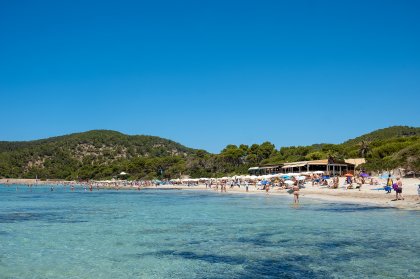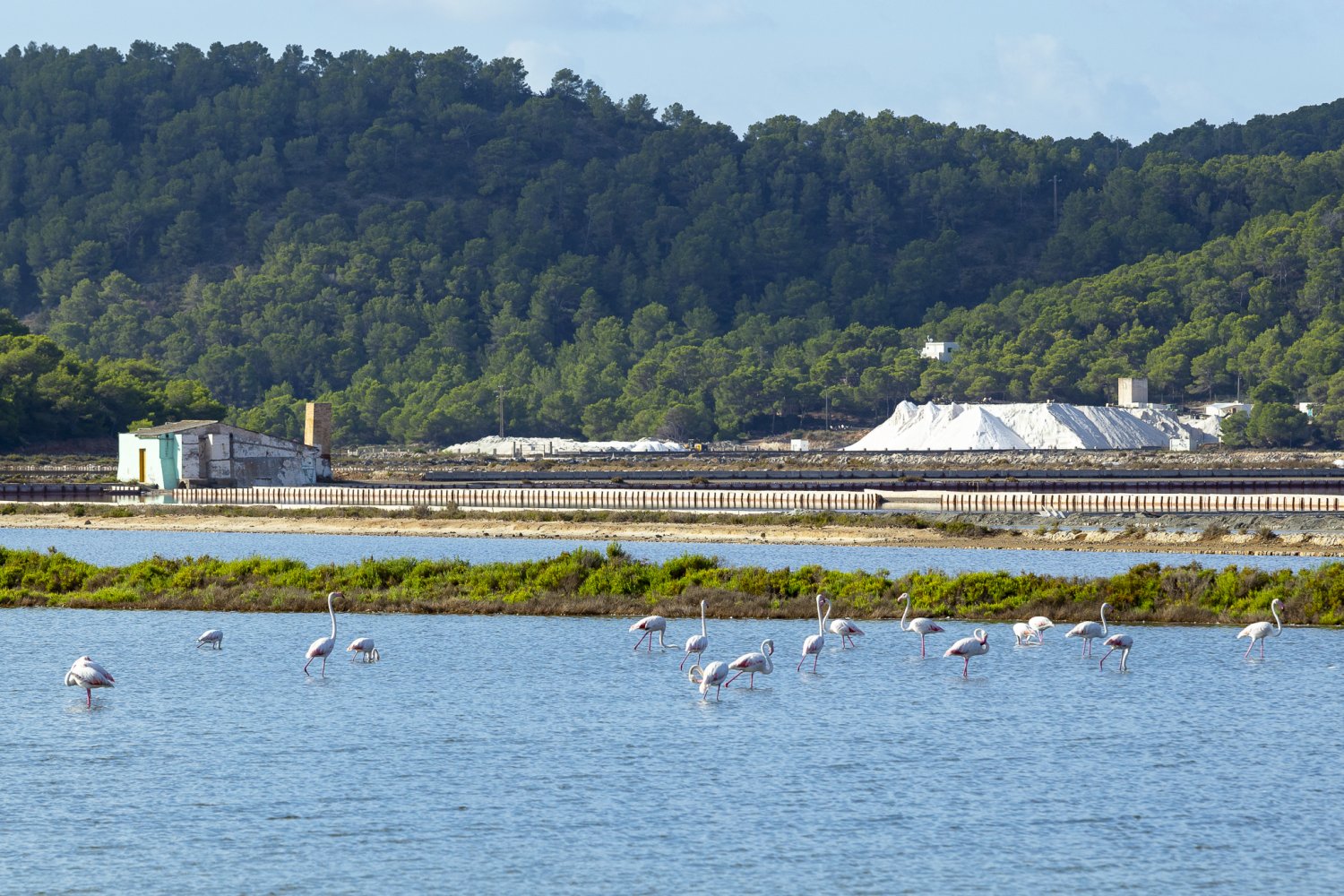
When you think of Las Salinas, you probably picture the winding road south, the pine trees, golden sands and impossibly blue waters. Yet, on the way, look to your right and another side of Ibiza comes into view. Behind the roadside vegetation lie the island’s historic salt flats: a vast landscape of ponds, channels and shimmering white crystals where salt has been harvested for more than 2,000 years — and where an ancient tradition is still very much alive today.
Ibiza's white gold
It is easy to drive past the salt flats without giving them much thought. Look a little closer, though, and this apparently simple landscape tells an important part of Ibiza’s story.
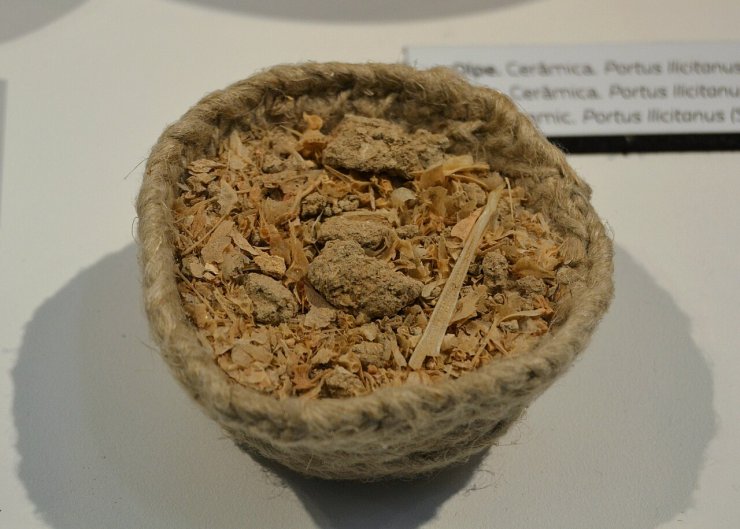
Salt was already being produced here in Phoenician times, around the 7th Century B.C., when it was a valuable commodity used for preserving food, particularly fish. The nearby settlement at Sa Caleta is closely connected to this early salt industry, showing how the southern part of the island was already involved in trade and food production more than two millennia ago.
Before refrigeration, salt was one of the most effective ways of keeping meat and fish edible for extended periods. For an island surrounded by productive fishing grounds, having a plentiful supply was a considerable economic advantage.
Salt, fish and garum
There is another fascinating connection between Ibiza’s salt and the ancient world at S’Argamassa, near Santa Eulalia.
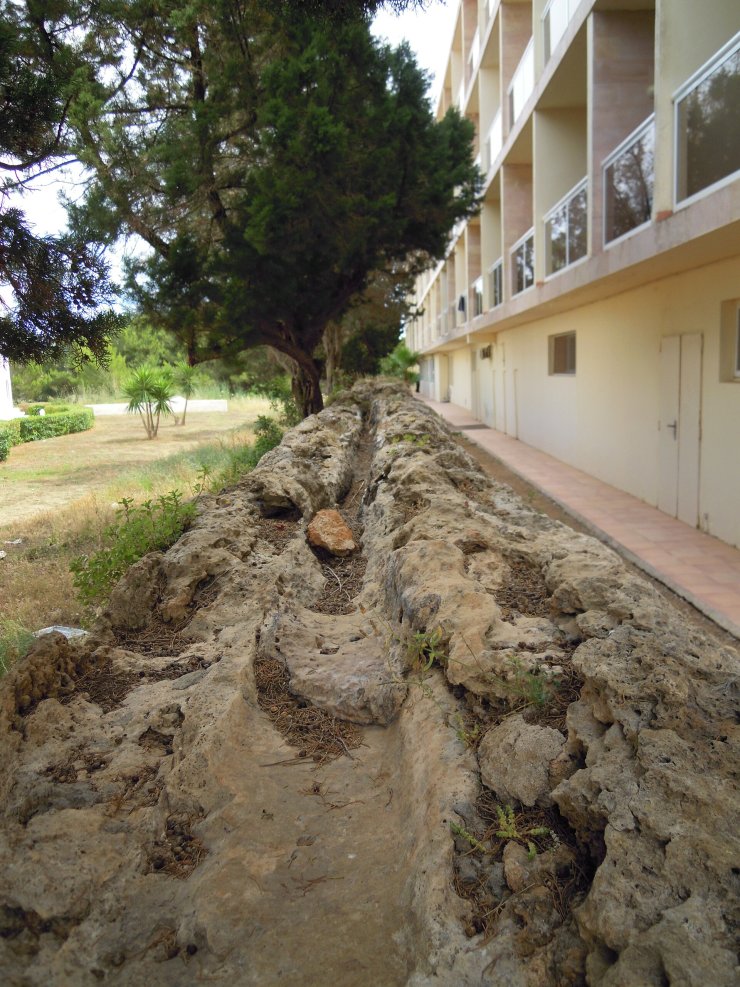
photographer Sobrassada, Wikimedia Commons, CC BY 3.0.
Here, the remains of a Roman aqueduct run for around 45 metres towards the coast. Built in the first century AD, it supplied fresh water to an industrial area where archaeological remains suggest that fish was processed and salted. The site is also associated with garum, the intensely savoury fermented fish sauce that was hugely popular throughout the Roman world.
Roman garum production remains at Santa Pola, Alicante. Photo: Joanbanjo / Wikimedia Commons / CC BY-SA 3.0.
Made using fish and salt, garum was used as a seasoning and traded widely. The remains at S’Argamassa offer a tangible reminder that Ibiza’s salt was part of a much bigger food economy, helping turn the island’s marine resources into products that could be preserved, traded and transported.
Salt itself was worth real money. Diocletian’s Edict of Maximum Prices, issued in AD 301, set a maximum price of 100 denarii for around 11.6 litres of ordinary salt. Interestingly, that was exactly the same price as the equivalent measure of wheat. The comparison is revealing: salt was important and valuable, but it was not an exotic luxury. It was an essential everyday commodity that needed to remain widely available.
From Ibiza to Iceland
That trade eventually stretched surprisingly far.
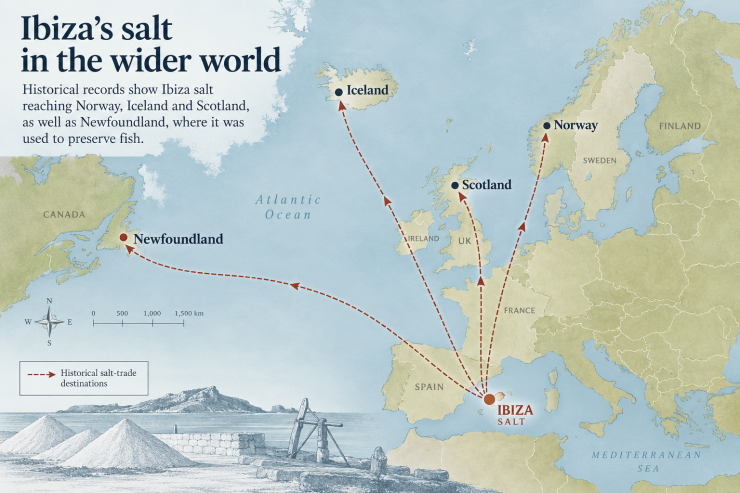
From Ibiza to the North Atlantic: historical trade routes carried Ibiza salt to Norway, Iceland, Scotland and Newfoundland, where it was used to cure fish (arrows are solely for illustrative purposes).
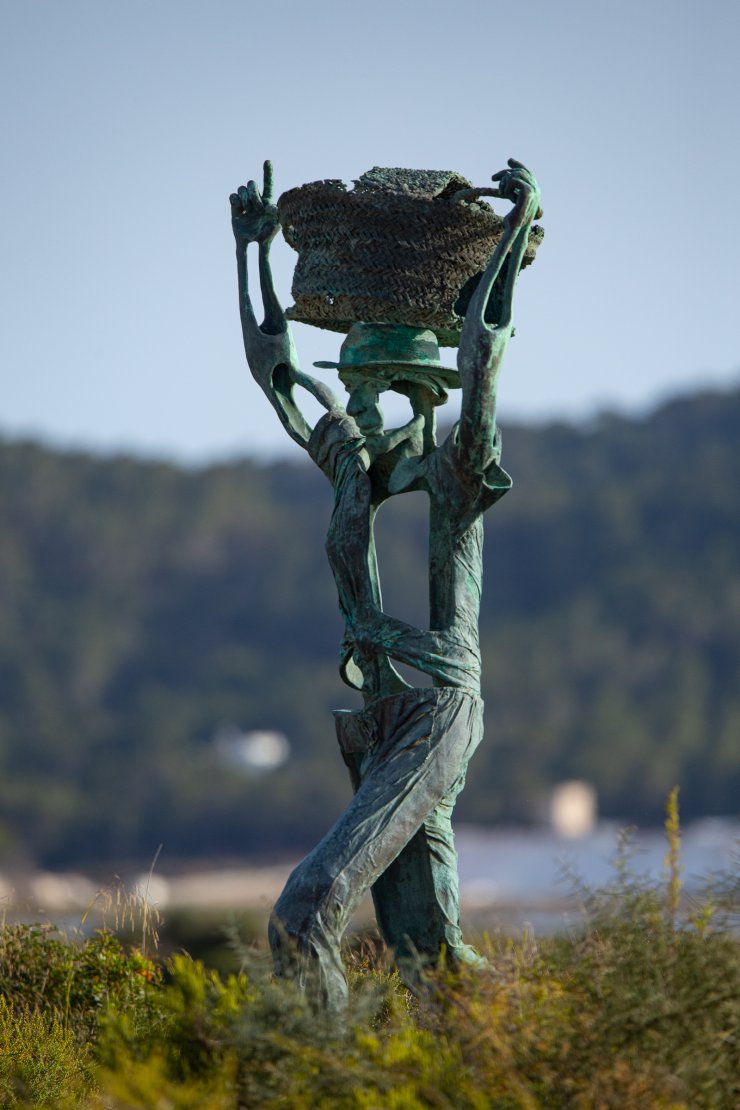
The salt trade brought ships to Ibiza to load their cargoes, creating work not only for the people harvesting the salt but also for boatmen, transporters and other local trades. At its busiest, the industry employed around 1,000 people.
A landscape shaped by people
The basic process at Ses Salines remains remarkably simple. Seawater is channelled through a series of shallow ponds, where Ibiza’s sunshine and wind gradually evaporate the water. As the concentration rises, salt crystals form and can eventually be collected.
The landscape is therefore both natural and man-made, shaped by generations of workers maintaining ponds, channels and water levels.
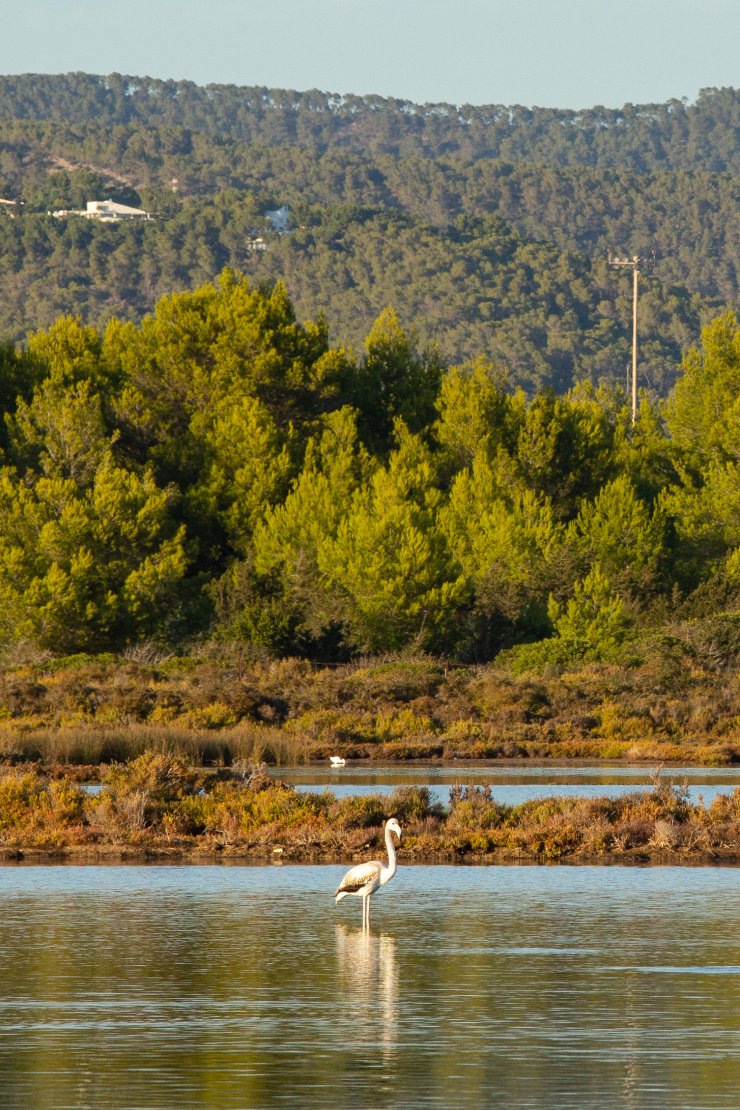
Today, Ses Salines is also an important nature reserve, protected as part of the Ses Salines Natural Park. The salt ponds provide a valuable wetland habitat for birds, including the flamingos that visit the island in greater numbers during the cooler months.
Winter is an especially good time to explore the area on foot, when the cooler temperatures make walking more enjoyable and the lower sun creates beautiful sunsets.
The harvest is still happening
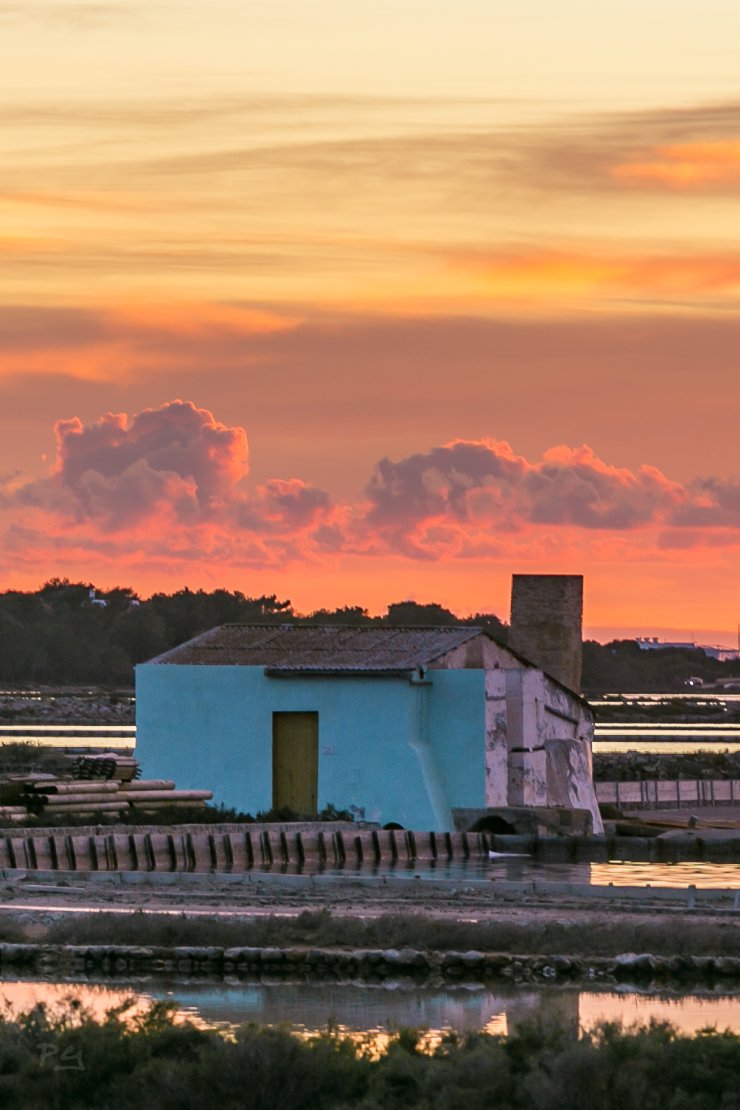
The salt pans remain an active part of Ibiza's landscape today.
The remarkable thing is that Ses Salines is not an abandoned industrial relic.
The salt harvest still takes place every September.
In 2026, the current campaign is expected to produce up to 70,000 tonnes. Around 80 percent is destined for the Spanish market, including food, canning and water-treatment industries, while the remainder is exported, including for use as road-de-icing salt in colder countries.
So although visitors might associate Ibiza salt with small bags of gourmet crystals, much of what leaves the island has decidedly more practical uses.
The ingredients, meanwhile, have changed remarkably little: seawater, sunshine, wind, time and human labour.
More than a pretty landscape
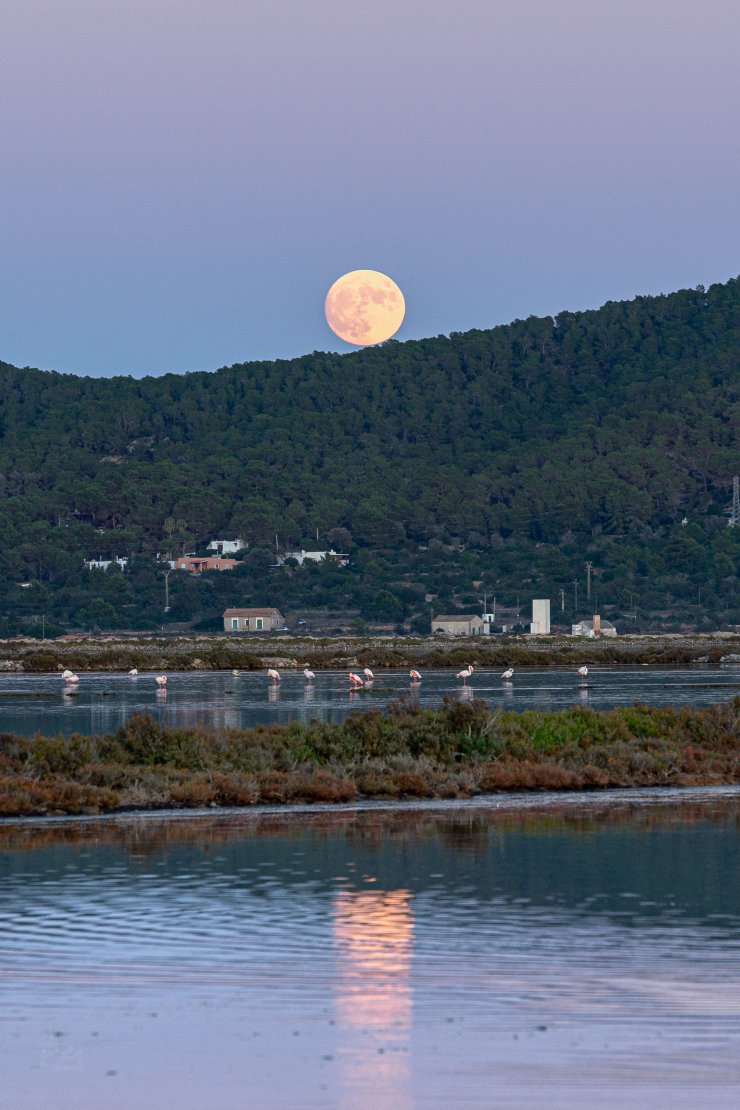
That is what makes Ses Salines worth a closer look.
The ponds, flamingos and sunset colours may be what catch the eye, but underneath is a story that reaches from Phoenician traders and Roman fish sauce to European fishing fleets and the workers who harvested Ibiza’s “white gold” by hand.
Next time the road to Ses Salines beckons, head for the beach by all means. Just remember to look to your right.
Those shimmering ponds beside the road are not simply scenery. They are a working piece of Ibiza’s history.