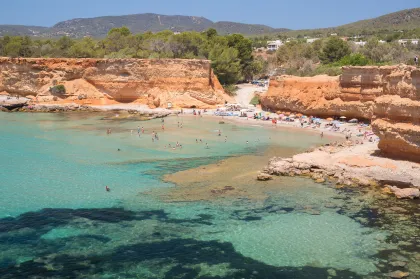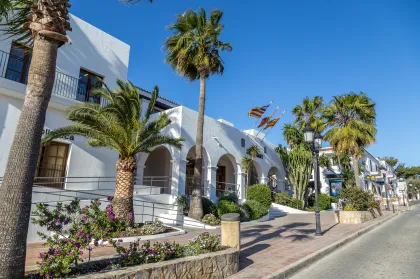
On the south-west tip of Ibiza, left of Es Bol Nou beach, two very different chapters of island history meet in one place. The former military barracks here have been transformed into a museum and interpretation centre, giving visitors a clear route through both ancient settlement and 20th-century defence.
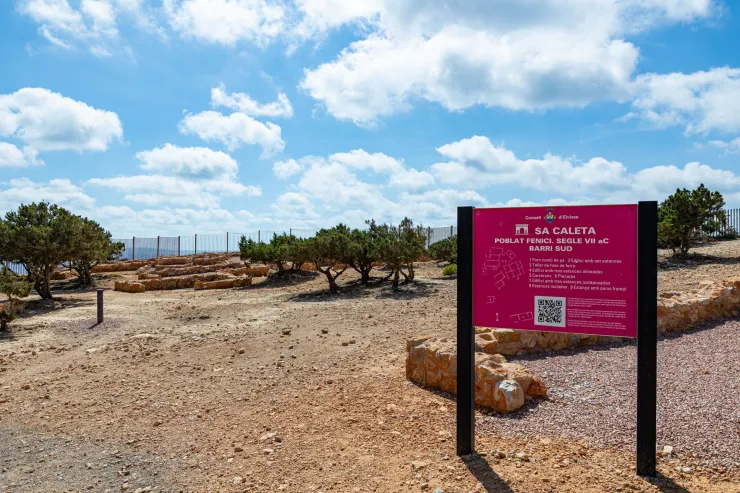
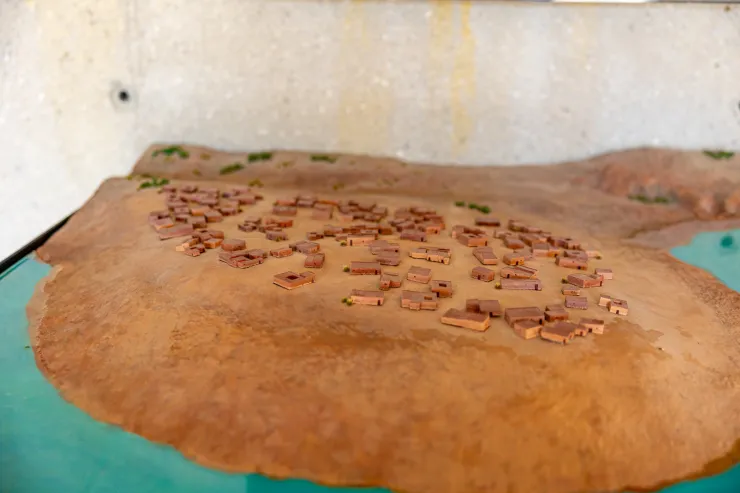
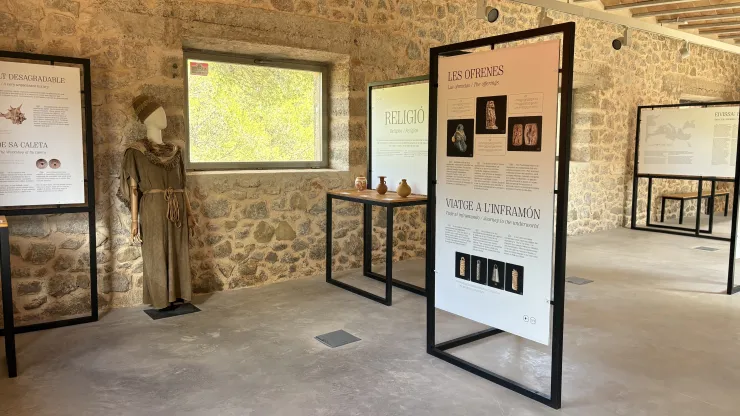
Step inside and the story begins with the Phoenicians. Between the 8th and 6th centuries BC, this ancient Mediterranean seafaring civilisation established one of the earliest known settlements in the Pitiusas Islands, leaving behind traces that still shape the landscape today. The permanent exhibition helps piece together what has been uncovered from those early foundations, drawing the fragments into a clearer picture of life on this rugged stretch of coast.
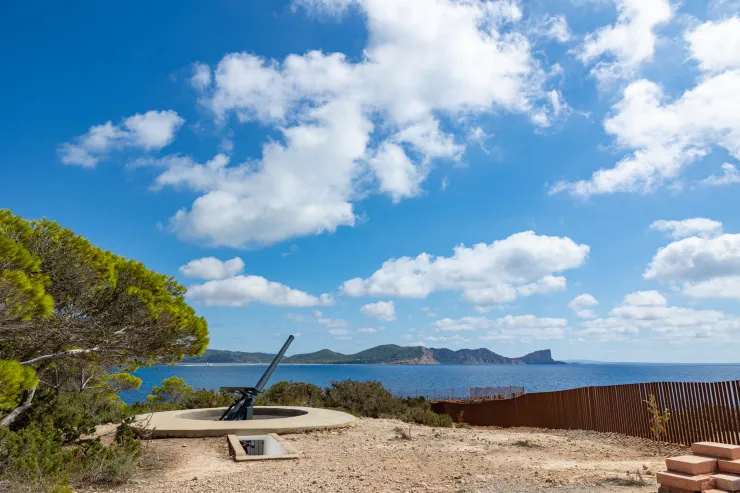
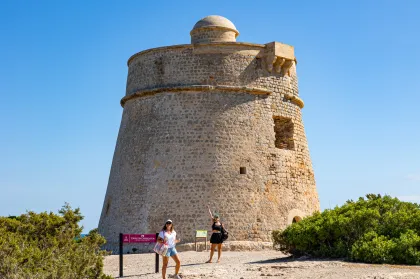
The narrative then shifts forward in time. In the 1940s, anti-aircraft batteries were built along this same coastline as part of Ibiza’s defensive network. These structures still stand, forming a stark counterpoint to the ancient remains nearby. Rather than separating the two histories, the museum sets them side by side, letting visitors understand how the same headland has been used across very different eras.
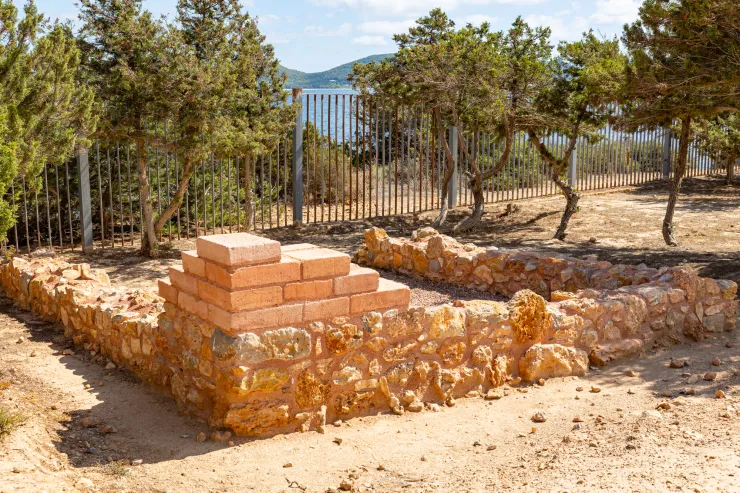
Outside, two marked itineraries lead visitors through the site itself. One traces the Phoenician settlement, where remains are preserved in situ. The other follows the surviving military structures, guiding you through the battery positions and their coastal outlook. Both routes work as open-air extensions of the exhibition space, grounding the museum in the landscape around it.
The old barracks now act as the anchor point, bringing research and archaeology into a single, accessible visit. From here, visitors can move between interior displays and exterior paths without breaking the thread of the story.
Sa Caleta, long known for its archaeological importance, now offers a more complete way to experience its past, not as separate fragments, but as overlapping layers you can walk through.
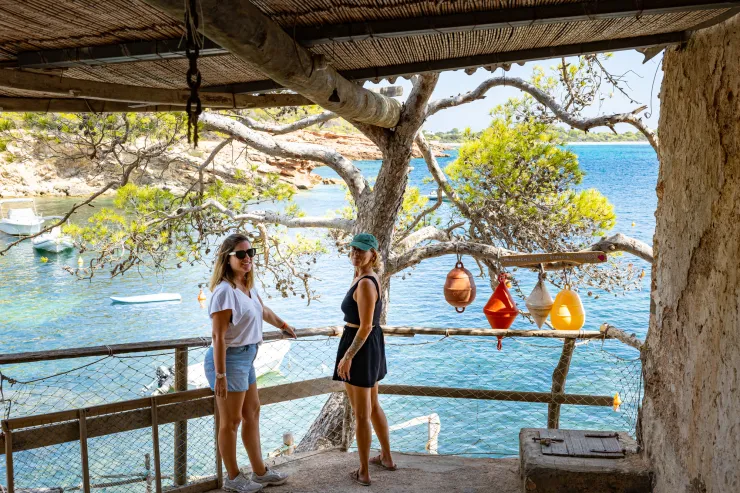
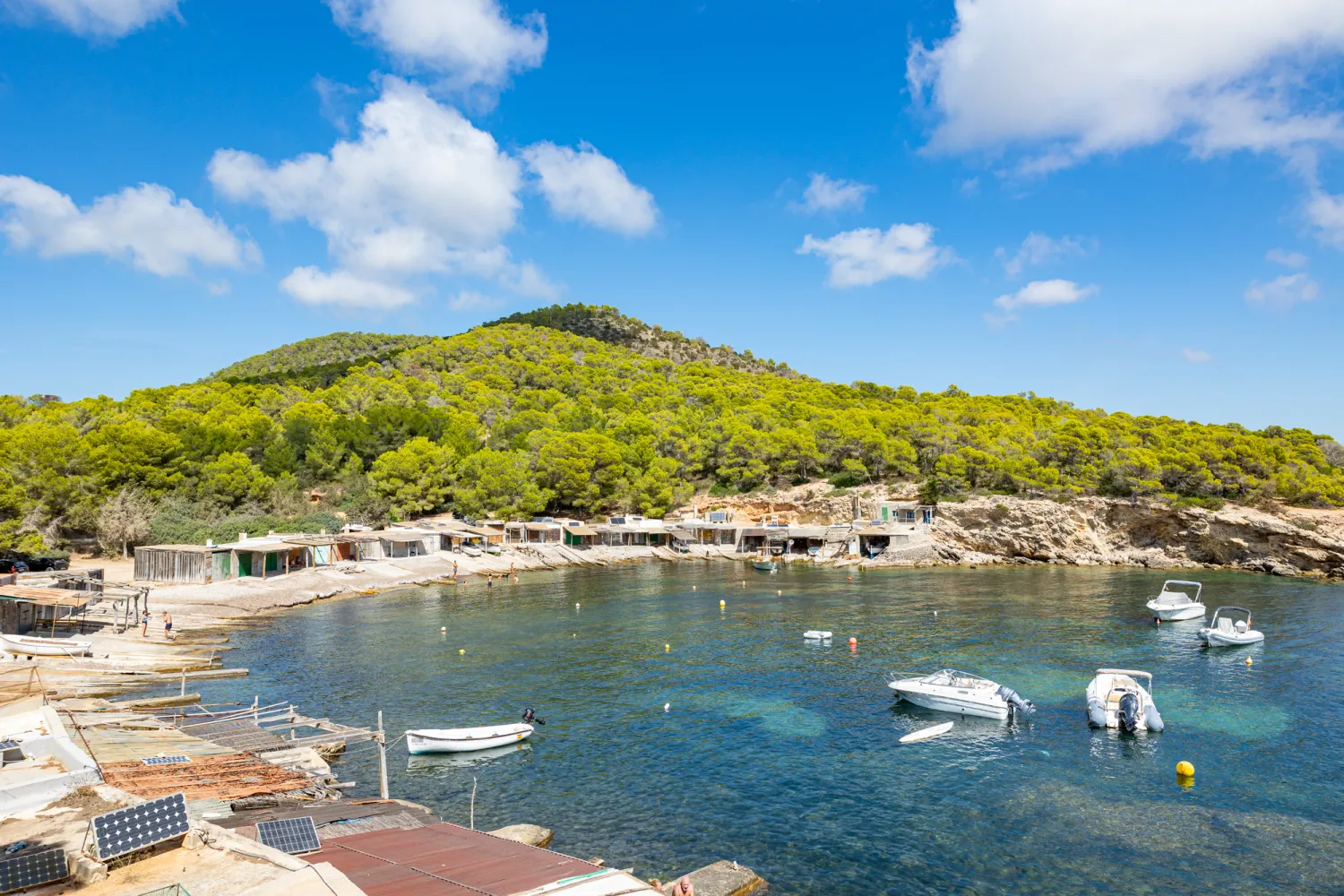
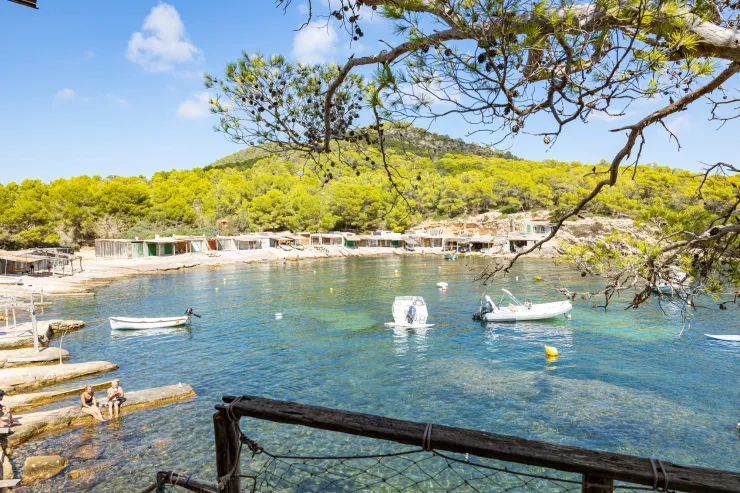
Allow time to explore the nearby bay, where rustic fishermen's huts recall Sa Caleta's maritime past. Then make a day of it with a coffee or meal at family-run Sa Caleta Restaurant, right beside the beach. It's open year-round and is known for traditional seafood, rice dishes, and Café Caleta, the local coffee laced with brandy, cinnamon, and citrus.
Opening hours: June to September from 10:00-20:00, October from 10:00-13:00. More information can be found here.
Guided visits can be arranged by sending an email to visitapatrimoni@conselldeivissa.es.