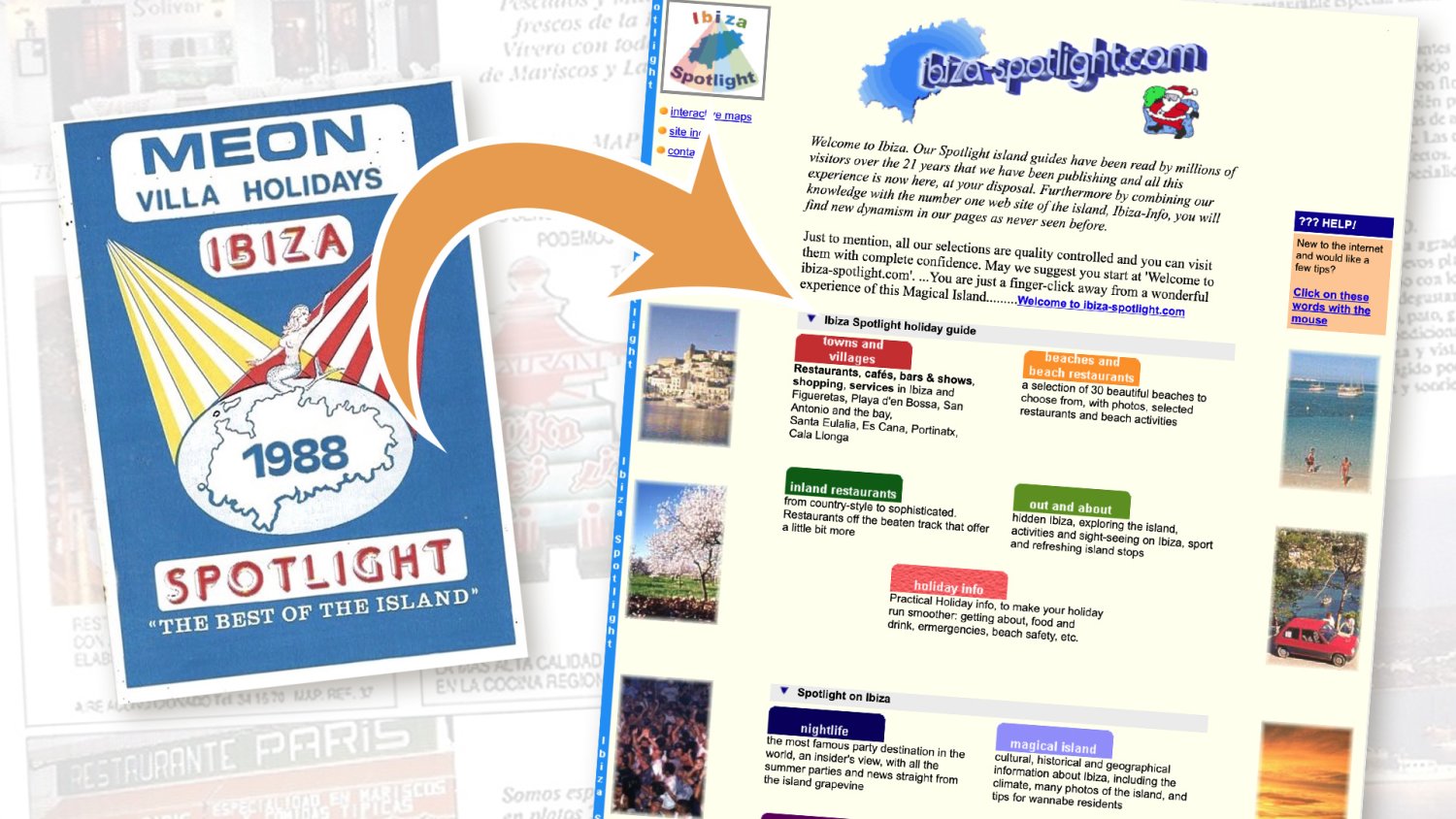
Before smartphones, online booking and social media, discovering Ibiza required a little more effort.
Back in the 1970s, tourism on the island moved at a far slower pace than it does today. Visitors arrived seeking sunshine, freedom and a simpler way of life, drawn by quiet beaches, whitewashed villages and a bohemian atmosphere that felt far removed from northern Europe.
While resorts such as San Antonio, Playa d'en Bossa and Santa Eulalia were expanding steadily, many roads remained unpaved and large stretches of coastline untouched by development.
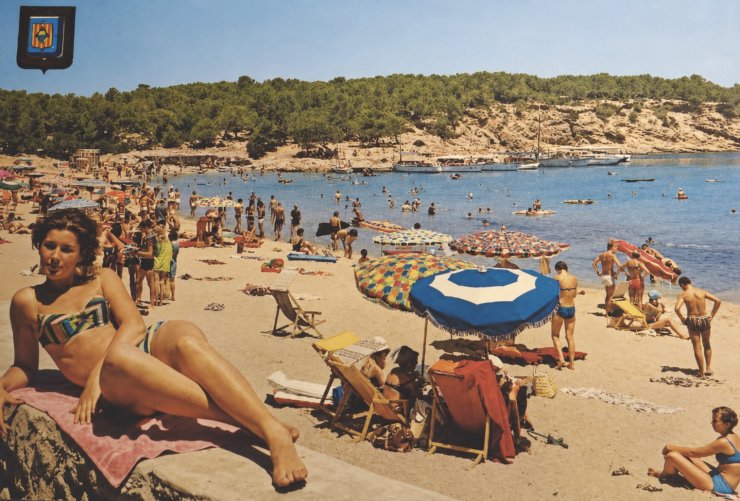
Ibiza was beginning to establish itself as a Mediterranean holiday destination. The first wave of hotels, apartment complexes and package holidays brought growing numbers of visitors from the UK, Germany and Scandinavia, many arriving on affordable charter flights arranged through tour operators.
Yet despite the increase in tourism, reliable information about the island remained surprisingly scarce.
It was into this environment that Ibiza Spotlight was born.
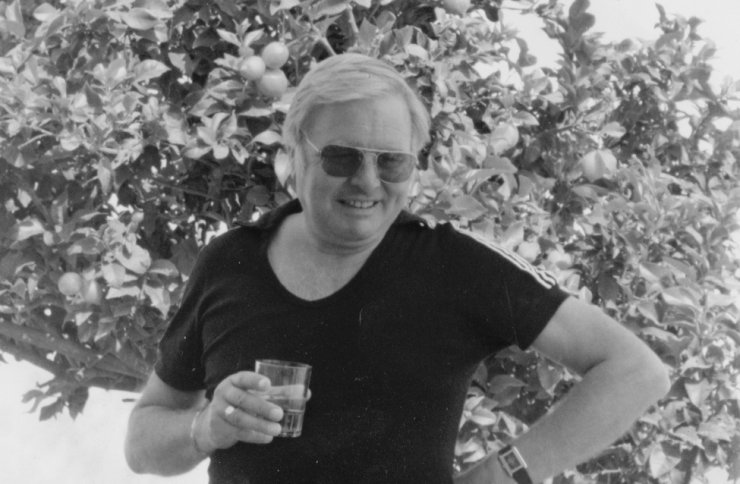
In 1976, British entrepreneur Norman Skinner and his wife Leah launched what would become one of the island's most recognisable publications. Having enjoyed a successful career in business consultancy and publishing in the UK before moving to Ibiza, Norman recognised a simple problem: visitors needed practical, trustworthy information to help them make the most of their holiday.
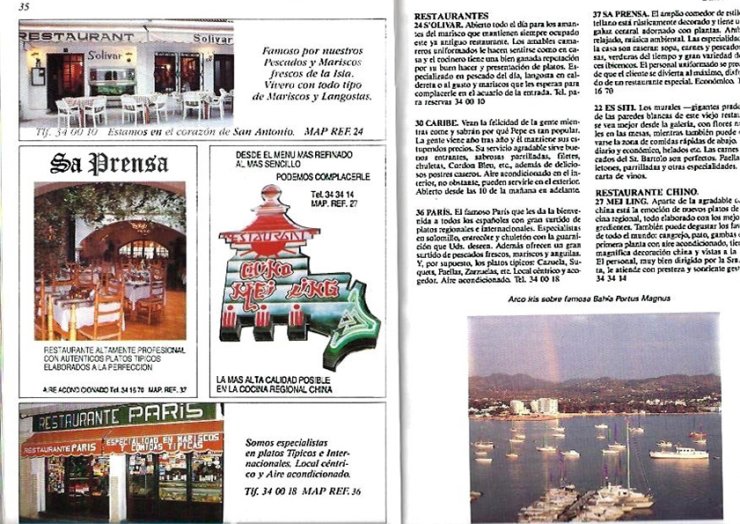
Printed and personalised for particular clients, it also appeared in different languages.
The solution was a printed guide that combined maps, local information, listings and essential holiday advice. While such things may seem commonplace today, in the mid-1970s they were anything but.
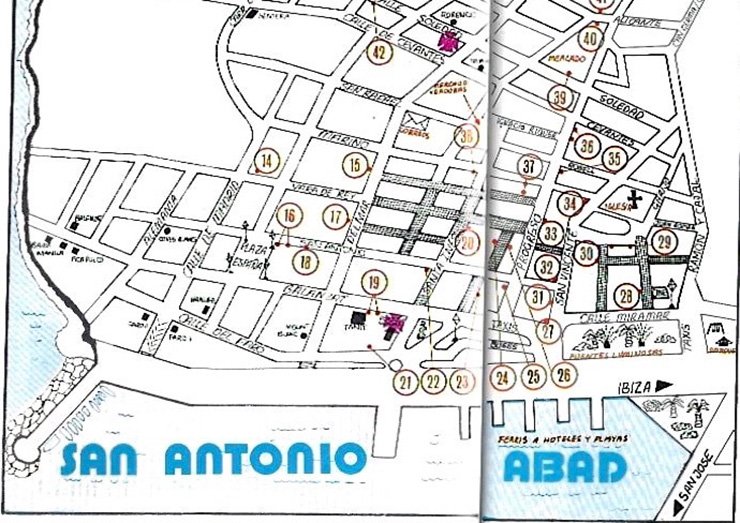
One of the guide's greatest strengths was its mapping. Accurate maps of Ibiza were difficult to obtain, and Norman became determined to create his own. In search of reliable information, he reportedly measured town streets by hand using a trundle wheel, painstakingly recording distances and layouts at a time when digital mapping was decades away.
The resulting maps became enormously popular. Covering Ibiza and later Formentera, they proved invaluable to both visitors and tourism professionals. Tour operators including Thomson and Neckermann acquired rights to distribute them to their customers, and holidaymakers could often be seen wandering through the island's towns with a Spotlight map unfolded in their hands.
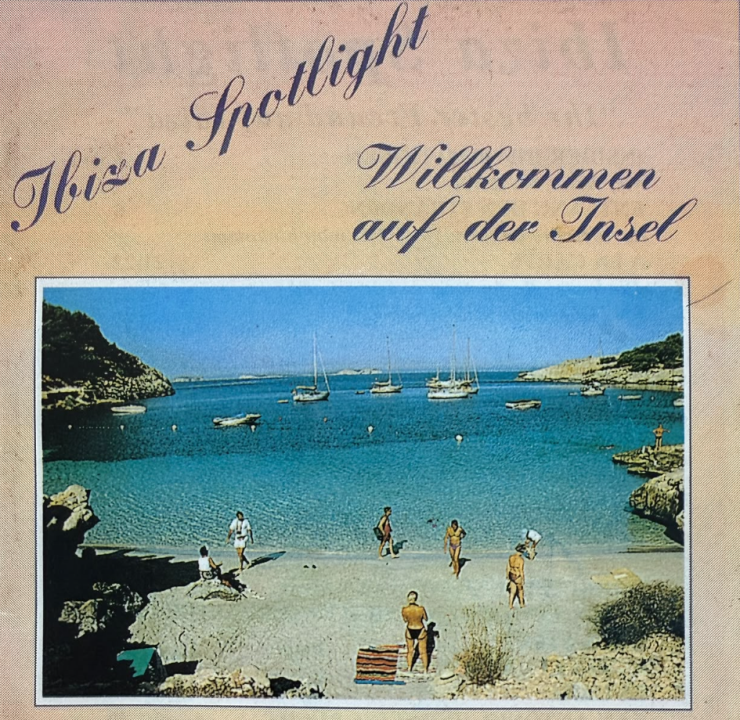
The guide quickly became something of a bible for tour representatives. Norman held strong views on what a good tourism guide should look like, often reminding staff that: "You are responsible for the two most important weeks of their (the tourists') year."
He was equally fond of another expression: "Selling the sizzle, not the sausage." The philosophy was simple. Long before visitors arrived on the island, the guide's role was to paint a picture of Ibiza that would capture the imagination of readers enduring cold northern European winters: sunshine, sea, freedom and the promise of escape. Fifty years later, the principle remains remarkably relevant.
For more than two decades, Ibiza Spotlight existed entirely in print. Then, as the internet began to reshape the travel industry during the late 1990s, the publication prepared for its next transformation.
That story (covered in part 2) begins in 1999.
Ibiza Spotlight at 50: Part 2 and Part 3